25 May 2026 · TikTok Ban Service · ~9 min read
TikTok mass report bot: what actually gets an account removed, and what doesn't
A TikTok mass report bot is software that fires identical complaints at one account from many profiles, sold on the promise of a guaranteed ban. It can't deliver one. TikTok removes content on proven Community Guidelines violations, not report volume, so a single documented case outperforms any bot.
How does TikTok decide what to remove — and where does a mass report bot fit in?
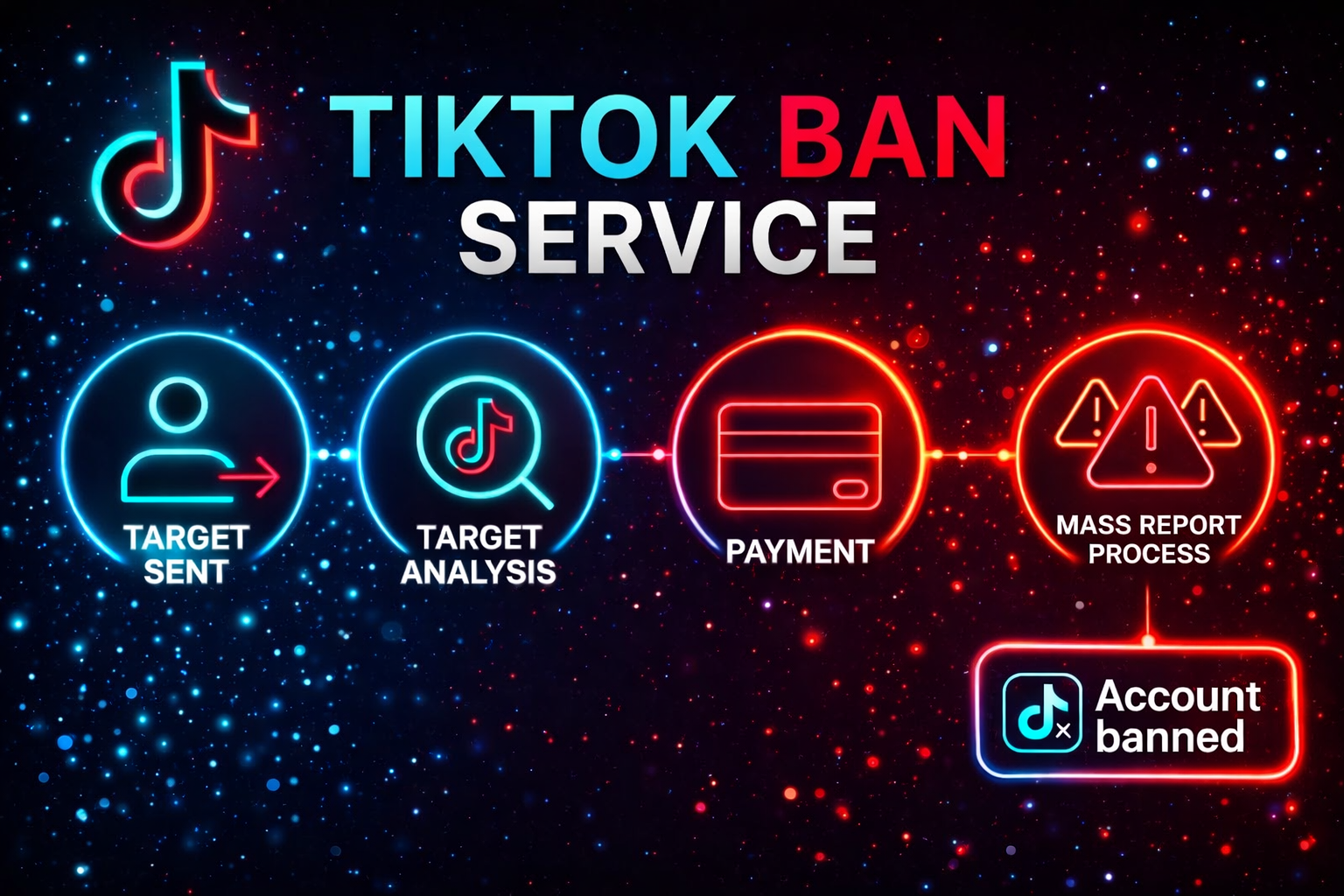
TikTok decides removals on one test: does the content break a specific Community Guideline? A mass report bot ignores that test completely. It is automated software, sold as a TikTok mass report tool, an online panel, or a downloadable script, that aims the same complaint at one target from dozens of accounts and bets that sheer volume forces a takedown. The platform was built to ignore exactly that signal. Every report, whether it arrives on its own or inside a coordinated wave, lands in the same queue: automated detection screens it first, then human moderators weigh it against the rules. A report is a prompt to review, never a vote that tallies toward a ban. So the useful question is not how to mass report a TikTok account into oblivion. It is which evidence actually makes a reviewer act.
Why does report quality outrank report volume on TikTok?
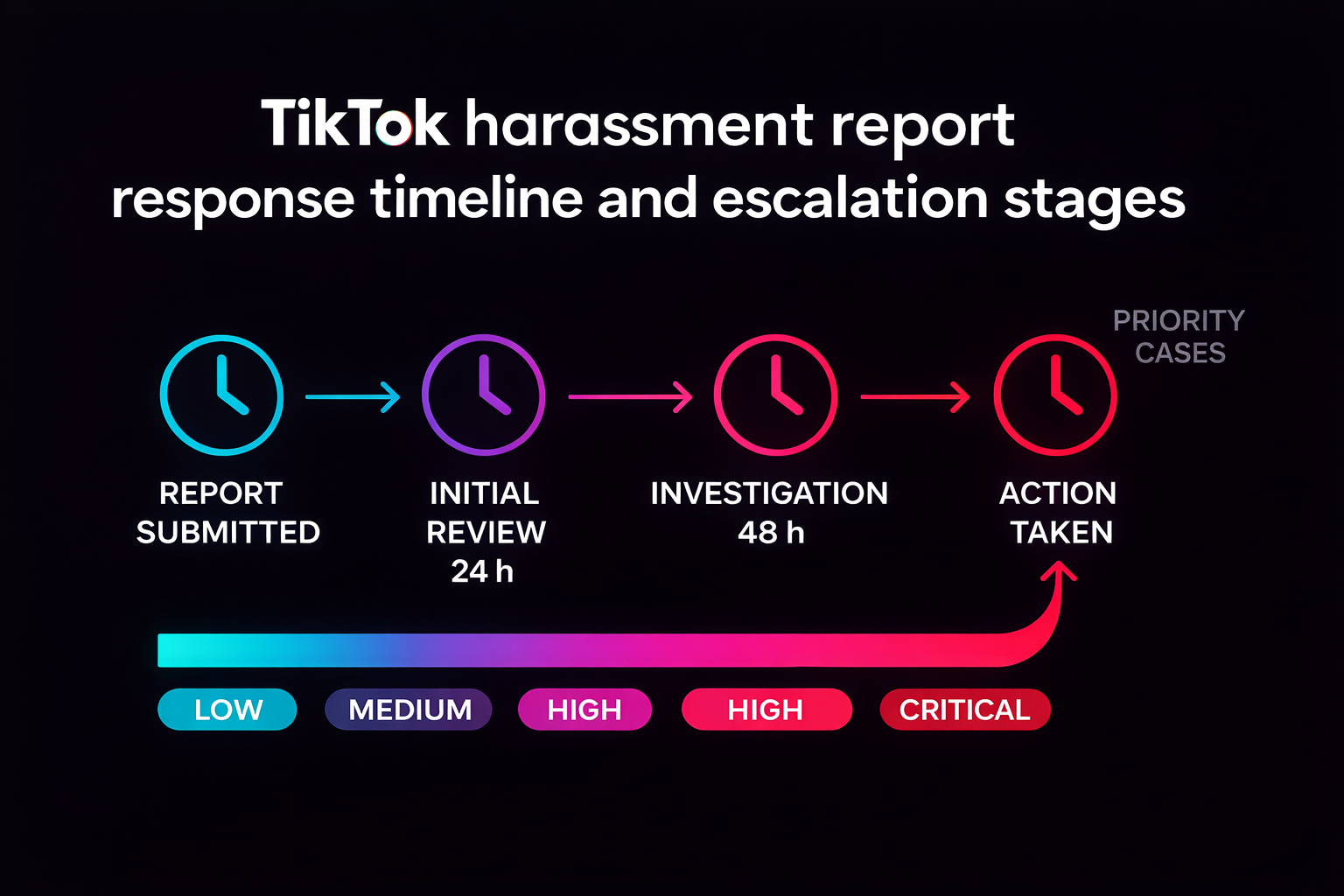
Because TikTok says so, in plain terms. Its safety team states that "mass reporting content or accounts does not lead to an automatic removal or to a greater likelihood of removal by our Safety team". That one line undoes the entire premise of TikTok mass reporting. Here is how does TikTok mass reporting work in practice: ten thousand complaints about a clip that breaks no rule achieve nothing, while one precise report on a real violation can pull it within hours. Volume is noise; a documented breach is signal. Mass reporting TikTok with throwaway profiles is also self-defeating, because those disposable account networks are the first thing the platform's spam systems detect and discard. The lever was never how many people pressed report. It is whether the content broke a written rule.
How does TikTok's strike system work, and how long do strikes last?
Removals feed a strike system, and strikes — not reports — are what end an account. When TikTok removes a video, comment, or LIVE for breaking a rule, it records a strike against the account that posted it. Under TikTok's account enforcement framework, an account is permanently banned once it passes the strike threshold inside a single product feature, such as Comments or LIVE, or a single policy, such as Bullying and Harassment. The platform deliberately does not publish a fixed number, because the threshold scales with how harmful the behaviour is. Reports do not add to this tally on their own — only a confirmed violation does. The table sets out how the pieces connect.
| Enforcement element | How it actually works |
|---|---|
| Content strike | Removing a violating video, comment, or LIVE adds one strike to the account that posted it. |
| Feature & policy thresholds | Crossing the strike threshold within one feature (LIVE, Comments) or one policy (Bullying & Harassment) means a permanent ban. No fixed count is published. |
| First-strike bans | Severe violations — threats of violence, child sexual abuse material, real-world violence — are banned permanently on the first strike. |
| 90-day expiry | Strikes drop off an account's record after 90 days. |
| What reports add | Nothing by themselves. A report triggers a review; only a confirmed breach creates a strike. |
Which TikTok violations actually lead to a takedown?
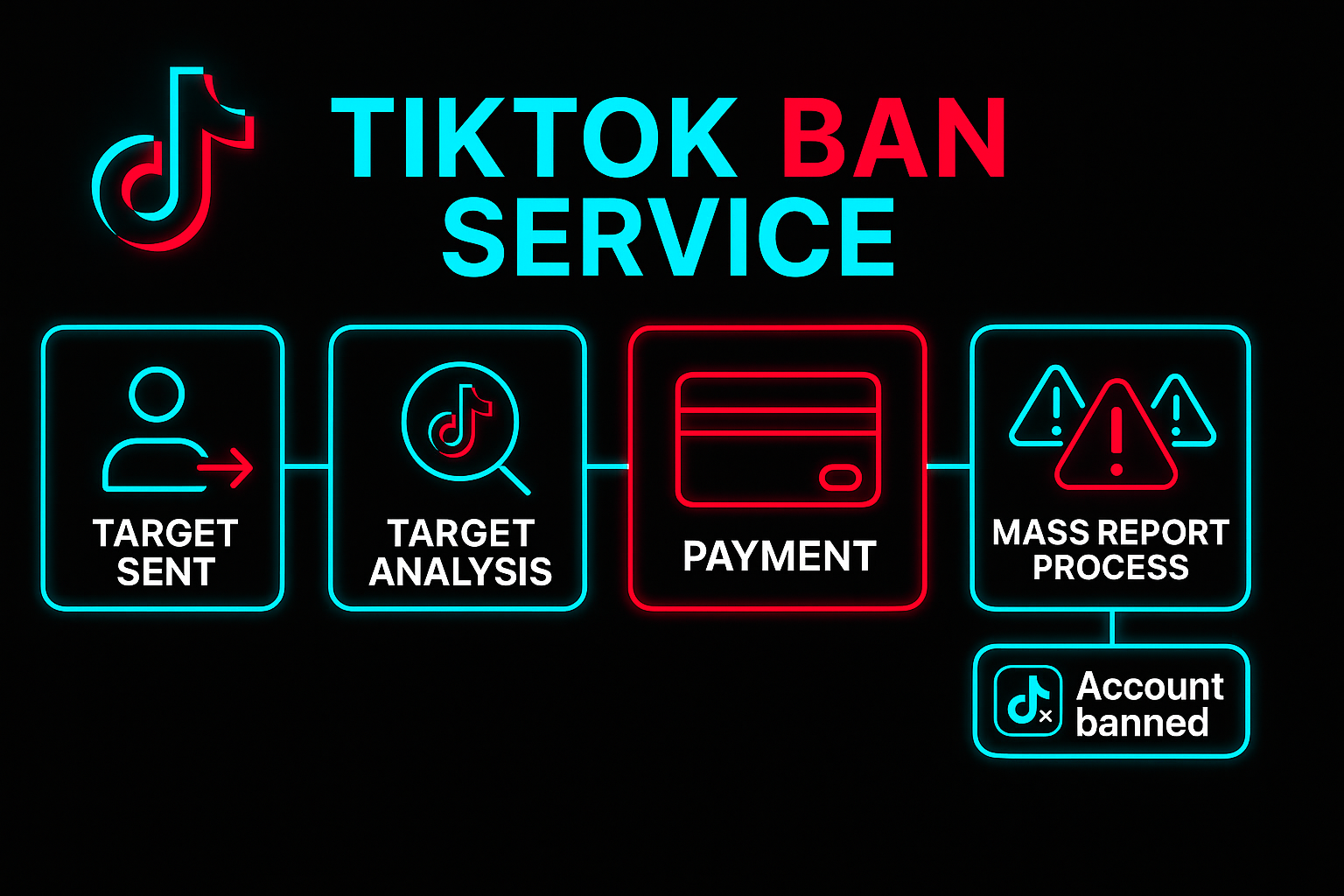
Only content that maps to a written rule comes down, which is exactly what a legitimate case targets. If you want to mass report a TikTok account, the reason has to fit a real policy rather than a personal grievance. The categories TikTok routinely actions, and the ones our official reporting solutions cover, are concrete:
- Scams and financial fraud — fake giveaways, investment cons, phishing links
- Impersonation of a person, business, or public figure
- Targeted harassment, threats, and doxxing
- Counterfeit sellers and trademark or copyright abuse
- Spam and fake engagement from bot networks
- Dangerous or illegal content, with severe cases routed to authorities
A move to mass report a TikTok account because "I don't like this creator" has no clause behind it and dies in review. One that names the exact guideline a video breaks hands a moderator something to act on. That split — grievance versus genuine violation — is the whole game, and it is the reason report volume is beside the point.
What goes into a documented TikTok takedown case?
A case that succeeds is a small, tidy evidence file, not a flood of clicks. Whether the target is a profile, a comment, a video, or a live stream, the same package makes a moderator's decision quick and defensible:
- The exact URLs — the profile plus each offending video, comment, or LIVE.
- Timestamps and screenshots, captured before the content is edited or deleted.
- The specific Community Guideline the content breaks, named clause by clause.
- A short pattern summary when the behaviour repeats, rather than a single post.
- Proof of the genuine identity or brand being copied, for impersonation or fraud.
This is the difference between a mass report TikTok tool that submits noise and a service that submits a verdict-ready file. The bot adds nothing a reviewer can use; the file removes the guesswork. When the evidence is clear, the reviewer's job is simply to confirm what you have already shown them.
TikTok mass report bot vs a documented case: which one wins?
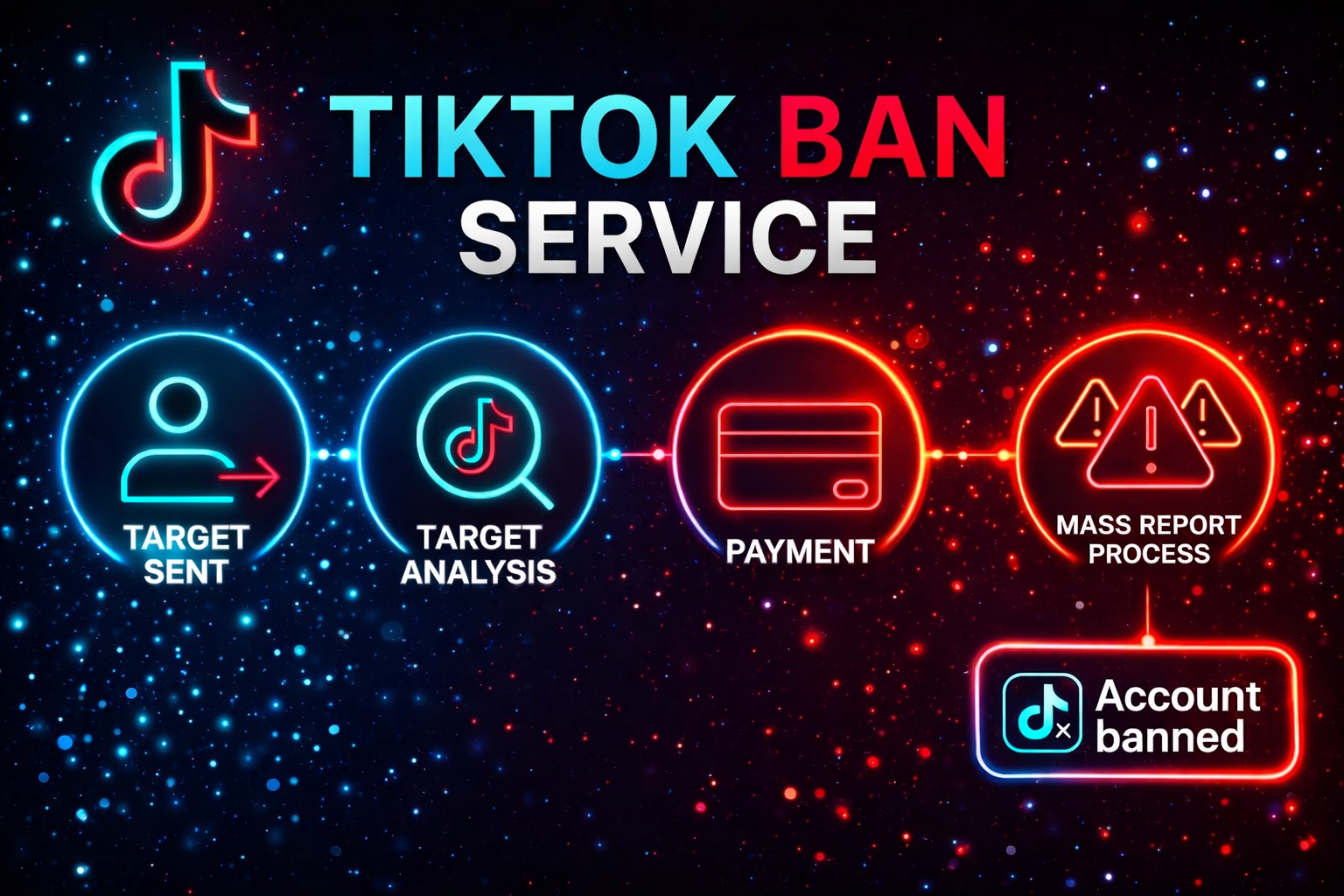
The documented case wins, and it is not close. Lined up side by side, the gap between the two is structural rather than cosmetic. A mass report TikTok bot leans on volume the system ignores and on fake accounts the system removes. A documented case hands moderators the single thing they need to act.
| Mass report bot | Documented case | |
|---|---|---|
| Mechanism | Volume from many or fake accounts | One evidence file on a real breach |
| TikTok's response | Reviews, finds no violation, removes nothing | Reviews, confirms the violation, acts |
| Risk to you | Coordinated reporting flagged as manipulation | None — you reported a genuine breach |
| What you pay for | The appearance of action | A submission a moderator can act on |
Run a mass TikTok report bot against an account and you mostly buy risk for yourself. The documented route is slower to prepare and far more likely to end with the content gone.
What are the red flags when someone sells a TikTok mass report service?
If a seller guarantees a ban, walk away — that outcome is the one TikTok reserves for itself. The grey market rebrands the same empty product endlessly: a TikTok mass report bot apk to sideload, a TikTok mass report bot online dashboard, a free Telegram bot, a TikTok mass report github or replit script, or an SMM panel where you TikTok mass report buy by the thousand. Two things usually sit behind these offers. The first is plain theft, since many take the fee and file nothing you can verify. The second is malware. Mobile threats are climbing fast: Kaspersky's researchers logged nearly four times as many mobile banking trojans in the first half of 2025 as in the same period of 2024. A TikTok mass report bot online free download, or a TikTok mass report bot online free telegram link that asks for your login or session cookie, is credential theft dressed as a shortcut.
- A "guaranteed", "instant", or "100%" ban
- Any request for your TikTok password, login, or session cookie
- Upfront, crypto-only payment with no record of what was filed
- A TikTok mass reporter you must install as an APK from outside the app stores
- A claim the tool is "undetected" by TikTok
How do you report a TikTok video, profile, or LIVE through official channels?
You use TikTok's own report tools, and a single accurate report is enough to start a review. Here is how to mass report on TikTok the legitimate way; the steps barely shift across a profile, a video, a comment, or a live broadcast:
- Open the item and tap Share, then Report — on the web, use the three-dot menu.
- Pick the reason that genuinely fits, such as impersonation, scams, or harassment, instead of the nearest convenient label.
- To mass report a TikTok LIVE, act while the stream is on air, because TikTok reviews live content with priority and it disappears when the broadcast ends.
- To mass report a TikTok video or comment, add timestamps and context so the reviewer sees the breach fast.
- Submit, then track the outcome and any appeal window in your inbox.
Prefer to hand the whole thing over? Our team can file the report for you, using the same official routes documented in TikTok's reporting guide. Honest answers to "how to mass report someone on TikTok" or "how to mass report a TikTok account" never need software. They need a real violation and a clear submission.
Reporting genuine harm is exactly what TikTok's tools exist for; manufacturing it with a bot is not. When a case is real, our TikTok ban service reviews it first, maps the official path, and never moves against a legitimate account.
What can you do if your own account is wrongly mass-reported?
If you're on the receiving end of a coordinated pile-on, the reassuring part is that the reports themselves can't ban you — only a confirmed violation can, and a hostile mob can't manufacture one out of content that breaks no rule. If TikTok does remove a video or issue a strike you believe is a mistake, the fix is the in-app appeal, not a counter-pile-on of your own. Open the notification in your inbox or the strike notice in Settings, tap Appeal, and submit a short, factual explanation of why the content follows the rules. A successful appeal restores the content and clears the strike from your record, so it's as if it never happened. Don't delete the post first — that can forfeit the appeal — and don't buy a "defence" service that promises to reverse a ban, because the official appeal is free and is the only route that actually works. If you're being targeted maliciously and persistently, that pattern can itself breach TikTok's harassment rules, which is reportable in the other direction.
Sources
- TikTok Newsroom — Advancing our approach to user safety (mass reporting does not increase removal; automated + human review)
- TikTok Newsroom — Updated account enforcement system (strike thresholds, 90-day expiry, first-strike bans)
- Kaspersky — Mobile banking trojan detections in the first half of 2025
- TikTok — Reporting tools & guides
FAQ
If your account gets mass reported on TikTok, will it be banned?
No, not on the reports alone. If your account gets mass reported on TikTok, every complaint still has to survive review against the Community Guidelines, and a pile-on with no real violation behind it gives a moderator nothing to action. Genuine mistakes do happen, and the fix is the in-app appeal, which restores the content and clears the strike.
Does the number of reports change anything on TikTok?
No. TikTok does not count reports toward a removal threshold; it acts when automated systems or a human moderator confirm a specific violation. One accurate report can outweigh thousands of empty ones, which is why report quality, not volume, decides the outcome.
Can you get banned for using a TikTok mass report tool?
You can. Coordinated false reporting is platform manipulation under TikTok's rules, so the accounts running a mass report TikTok tool are the ones most likely to be limited or removed. Persistent false reports aimed at one person can also cross into harassment.
How long do TikTok strikes last?
Strikes expire from an account's record after 90 days. An account is permanently banned only when it crosses the strike threshold for one feature or policy inside that window, or on the first strike for severe violations such as violent or exploitative content.
Can you report a TikTok LIVE, and is it different?
Yes. You can report a TikTok LIVE from the broadcast itself, and you should do it while the stream is on air, because TikTok prioritises live content and the broadcast is gone once it ends. The reason you pick still has to match a genuine guideline.
Will TikTok tell you who reported your account?
No. Reports on TikTok are confidential, so a creator who's removed or struck isn't shown which user filed the report. That's deliberate — it protects people who report genuine abuse from retaliation. It also means you can't "find out who mass reported you"; the only thing that matters for your account is whether the reported content actually broke a rule, which is what an appeal puts back in front of a reviewer.